




2020 Democratic Presidential Candidates Are Lining Up: Who Matches the Moment?
A crowded and ideologically varied Democratic field is taking shape for 2020, forcing primary voters to weigh electability against the energy of a more progressive base.

The 2020 Democratic presidential field is already shaping up to be one of the largest in modern memory, with senators, governors, mayors, and longtime party figures either declared or openly exploring runs. The early scramble has surfaced a question that will shadow the entire primary: should Democrats prioritize a candidate they believe can win a general election, or one who excites the party's most energized voters?
That tension is not new, but it feels sharper this cycle. The field spans generations and ideologies, and the candidates are sorting themselves into recognizable lanes even before the first votes are cast. How voters answer the electability question may matter as much as any policy debate.
A field defined by lanes
Rather than a clear front-runner, the early field looks more like a set of overlapping camps. Strategists and commentators have grouped the contenders in a few broad ways:
- Progressives running on ambitious structural change, including proposals on health care, climate, and economic inequality
- Moderates emphasizing pragmatism, broad appeal, and the ability to win back voters who shifted in 2016
- Candidates pitching generational change, casting themselves as a break from the party's established leadership
- Figures with strong regional or demographic bases who hope to build a coalition from a particular foothold
These categories blur at the edges. Some candidates straddle lanes deliberately, and the labels can flatten real differences. Still, the framework captures how the contest is being discussed in its opening months.
The electability argument
For many Democratic voters, the overriding goal is defeating the incumbent president, and that goal tends to color how they evaluate everything else. Polls in the early going have suggested that a sizable share of the primary electorate ranks the ability to win over ideological purity. That instinct tends to benefit candidates who can argue they appeal beyond the party's base.
But electability is notoriously hard to measure, and the concept carries its own debates. Critics argue that it can become a proxy for caution, or that assumptions about who is electable reflect bias more than evidence. Others counter that ignoring general-election viability is how parties lose. The argument is likely to run through every debate stage and town hall in the months ahead.
The case for energy
On the other side of the divide are those who argue that turnout, not persuasion of swing voters, is the path to victory. In this view, a candidate who inspires enthusiasm, especially among younger voters and those who sometimes sit out elections, can expand the electorate in ways that cautious positioning cannot.
Progressive contenders have leaned into bold proposals partly on this theory, betting that clarity and ambition will mobilize supporters. The risk, skeptics say, is that positions popular within the primary may prove harder to defend in a general election. Supporters respond that playing it safe carries its own danger, namely a deflated base.
The diversity of the field
Beyond ideology, the 2020 field is notable for its range. The contenders include several women, candidates of color, and figures from different regions and professional backgrounds, a lineup that supporters say better reflects the party and the country. That breadth has fueled conversations about representation alongside the strategic debates.
It has also complicated the math. With so many candidates competing for attention, money, and early-state momentum, the contest could fragment, allowing a candidate to advance with a committed plurality rather than a broad majority. The order of the early nominating states, and the rules for qualifying for debates, may shape the outcome as much as any single campaign's message.
What to watch
As the field firms up, a few markers will signal where the race is heading: fundraising totals that reveal grassroots strength, polling that tests name recognition against genuine support, and the debate stages where lesser-known candidates can break through or fade. Endorsements from party figures and unions will hint at where the establishment is leaning.
The primary will also test how the party reckons with questions of conduct and accountability that have reshaped politics in recent years, from scandals in city governments, such as the departure of a New York City Hall aide over a harassment complaint, to the way candidates speak about human rights abroad, including cases like a detained Chinese rights advocate facing trial. Our culture coverage will track how the field evolves, because the choice Democrats make in 2020 will say as much about the party's identity as about any single nominee.
Related stories
Little Girl 'Traumatized' as School Teaches 6-Year-Olds There Is No Such Thing as Girls and Boys
A parent says a primary school lesson on gender identity left her young daughter confused and upset, reopening a wider debate over how and when schools should teach children about gender.
This New Christmas Song Puts a Queer-Inclusive Spin on Holiday Romance
A fresh seasonal single reworks the familiar template of the Christmas love song for listeners who rarely see themselves in holiday music, part of a slow shift toward representation in seasonal pop.
The Lumineers Challenge Music Industry Rules With 'III'
The folk-rock band's third album tells one story of addiction across three chapters of a single family, released with short films in a deliberate push against the singles-first streaming era.
Afghanistan Moves to Arrest Soccer Chief on Sexual Abuse Charges
Afghan authorities are seeking the arrest of the country's football federation president after national women's team players and whistleblowers came forward with allegations of sexual and physical abuse.
Keep Reading
Bionic arms for five-year-olds, a third thumb, and the 90% who get nothing

Why your ice cream costs $6.49: a coconut, cocoa and corporate crisis
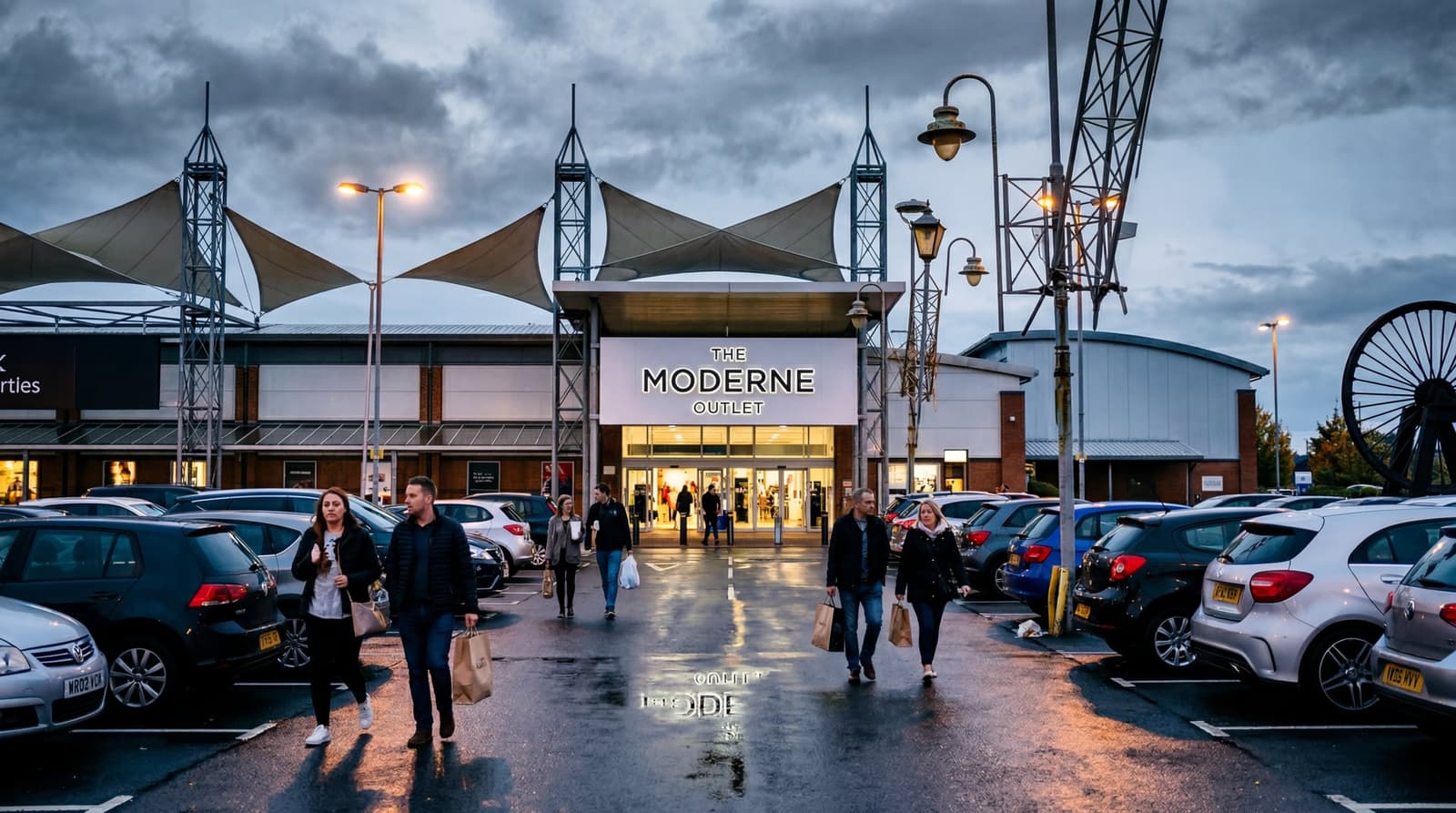
Frasers rebrands Castleford outlet 'Leeds'. The real story is a credit product.

SpaceX scrubs Starship V3 debut a day after filing $1.75T IPO

Northern Ireland's rarest rainforest gets a 100-year reboot in Tyrone