





Frasers rebrands Castleford outlet 'Leeds'. The real story is a credit product.
Mike Ashley's retail group has slapped a city name and a buy-now-pay-later brand on a 26-year-old shopping centre built on a former Yorkshire colliery. Locals aren't impressed. The strategy underneath is bigger than the…

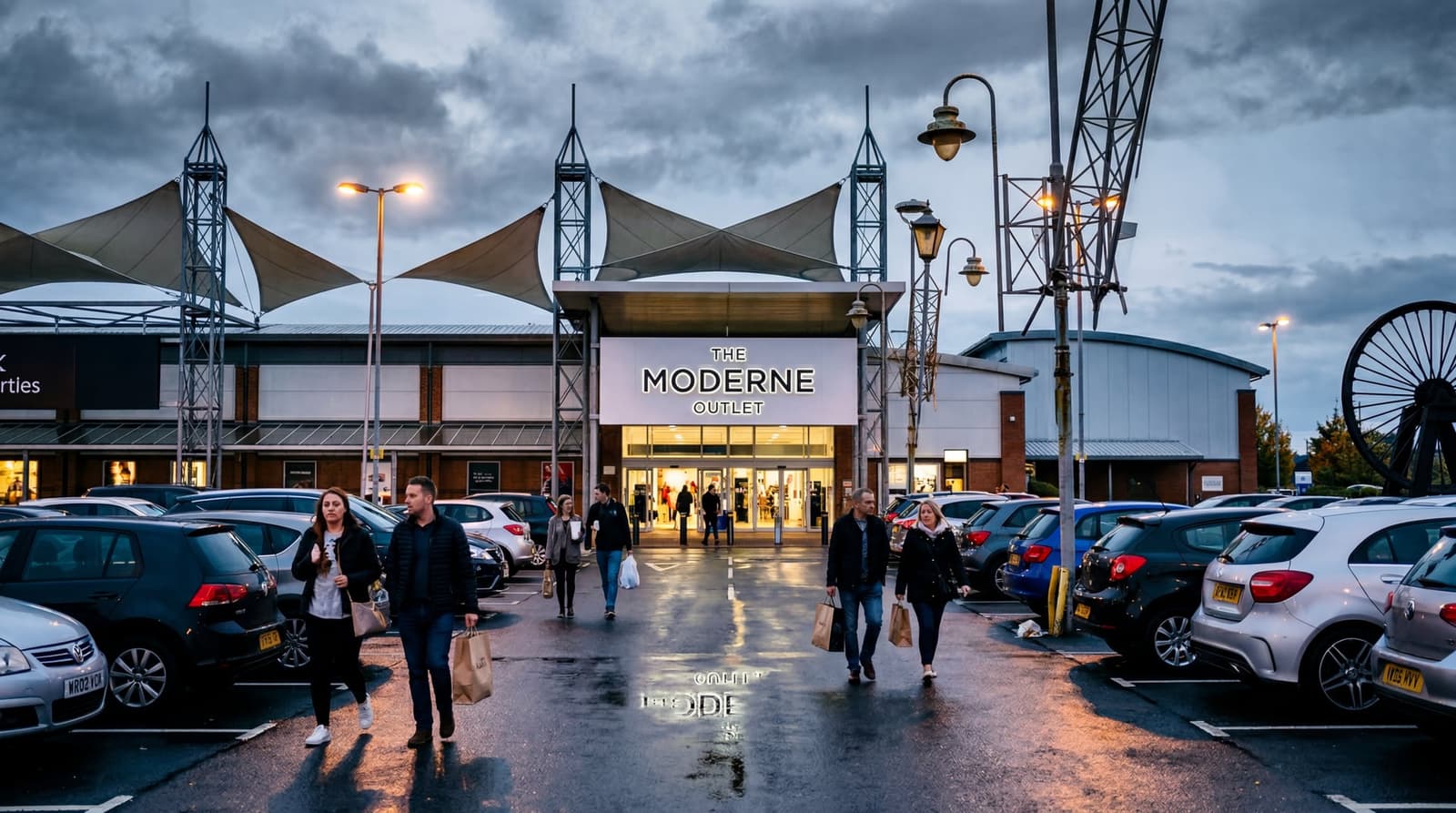
Frasers Group has renamed the Junction 32 outlet shopping centre in Castleford, West Yorkshire, as Frasers Plus Designer Outlet Leeds, attaching a city label to a site that sits roughly 15 miles from Leeds city centre and two miles from Castleford's. The rebrand, announced in May, drew immediate backlash from local shoppers who say the Leeds tag erases Castleford's identity.
The geography is the easy headline. The more interesting question is why the building is now named after a regulated credit product.
"New name, same destination you love," a Frasers Group spokesperson said in a statement carried by the Wakefield Express, describing the change as a "naming rights arrangement" intended to boost regional footfall. Frasers Group, the FTSE 250 conglomerate behind Sports Direct, House of Fraser and Flannels, bought the 252,000 sq ft centre from Land Securities in late 2023 for a reported sum close to £50 million, according to deal advisers BDO.
A 26-year-old centre on its third name
The site opened on 9 September 1999 as Freeport Castleford, billed at the time as Europe's largest factory outlet development. A 2006 refurbishment renamed it Junction 32, after the M62 junction it sits beside. The latest rebrand is its third identity in 26 years.
What sits beneath the tarmac matters here. The centre was built on the former Glasshoughton Colliery, which closed in 1986 and left 336 acres of derelict, contaminated land. Regeneration began in 1994 with developer Waystone, and around £9 million of public investment helped unlock £15 million in land sales and roughly 3,500 jobs across the wider Glasshoughton site, according to Waystone. A former pit winding wheel still stands on the site as a memorial to the miners.
That history is why the Leeds label stings locally. Castleford sits within Wakefield district, one of England's more economically pressured local authorities, and the centre is treated as a totem of post-mining recovery. The rebrand strips both town and district from the name.
"It's almost 20 miles away from Leeds by road, and over half an hour by public transport," one Castleford resident posted in reaction to the change, in comments collected by the Yorkshire Evening Post. "It's also Castleford, which is one of Wakefield's five towns. So what connection does it have to Leeds?"
The Frasers Plus part is the real story
Most coverage has framed the rebrand as a wrong-city naming blunder. It isn't, or at least, that isn't the half that matters to Frasers Group's balance sheet.
Frasers Plus is a Financial Conduct Authority-regulated credit-and-loyalty payment account. It awards points across the group's brands and 16 partner retailers, and offers buy-now-pay-later terms of up to 36 months. CEO Michael Murray, Mike Ashley's son-in-law and the architect of the group's "elevation" strategy, has told Retail Week that the product is the company's answer to Amazon Prime.
Effectively we've created our own version of Prime. Frasers Plus gives us one lens for our consumer and keeps all of our data in a central place.
Michael Murray, CEO, Frasers Group
Naming a physical shopping centre after that product is a customer-acquisition tactic, not a typo. The same playbook has already been applied at the group's Luton centre, rebranded "Frasers Plus Luton" in December. Every car park sign, every receipt, every Google Maps result becomes a prompt to sign up to a credit account.
The context of where that prompt lands is worth sitting with. Wakefield district scores above the English average on multiple deprivation indicators, and outlet shoppers are a price-sensitive cohort by definition. A regulated BNPL product marketed via the name of the building you're standing in is a different proposition from a loyalty card at the till.
A national consolidation play
The Castleford rebrand is one move in a much larger acquisition spree. Frasers Group bought Swindon Designer Outlet in December, and in April announced the purchase of both York Designer Outlet and East Midlands Designer Outlet, according to British Brief.
"Today, we own over one-fifth of the UK outlet market and have a clear ambition to grow our share further," Murray said in announcing the York and East Midlands deals.
At the time of the 2023 Castleford purchase, James France, Frasers Group's Head of Real Estate, said the acquisition demonstrated "our commitment to the long-term future of physical retail" and signalled a rollout of the group's elevation strategy at the site. Land Securities, which had bought Junction 32 in 2017 as part of a £333 million three-outlet portfolio from Hermes Investment Management, sold because regional outlet retail no longer fit its strategy. Frasers bought for the opposite reason.
Retail analyst Catherine Shuttleworth told the BBC the rebrand makes commercial sense after an acquisition of this scale, but predicted habit will outlast branding. "I guess many local shoppers will still refer to it as they did before," she said.
The commercial case for the centre itself is sound. Junction 32's 25th anniversary week in September 2024 generated a 17% footfall uplift and a 33% sales jump week-on-week, according to Retail Times. Toy chain The Entertainer is opening a 2,498 sq ft store this summer under the new branding, with Rachel Scott, Head of Leasing at asset manager Global Mutual, calling it "a strong addition to our retail mix" in a statement to Examiner Live.
What the sign actually says
Strip the rebrand back and three things are happening at once on a former colliery in West Yorkshire.
- A successful regional outlet has been folded into a national consolidation strategy that now controls more than a fifth of the UK market.
- A town's name has been quietly removed from a landmark built on its industrial history, in favour of a larger city's brand equity.
- A regulated credit product has been given top billing on the building itself, in a district where consumer credit risk is not an abstract concern.
Frasers Group has not broken any rules. The naming is legal, the credit product is FCA-authorised, and the centre's tenants and footfall remain healthy. But the sign above the door is doing more work than most signs do. It is selling a city the centre isn't in, and a financial product the shopper hasn't bought yet.
Related stories
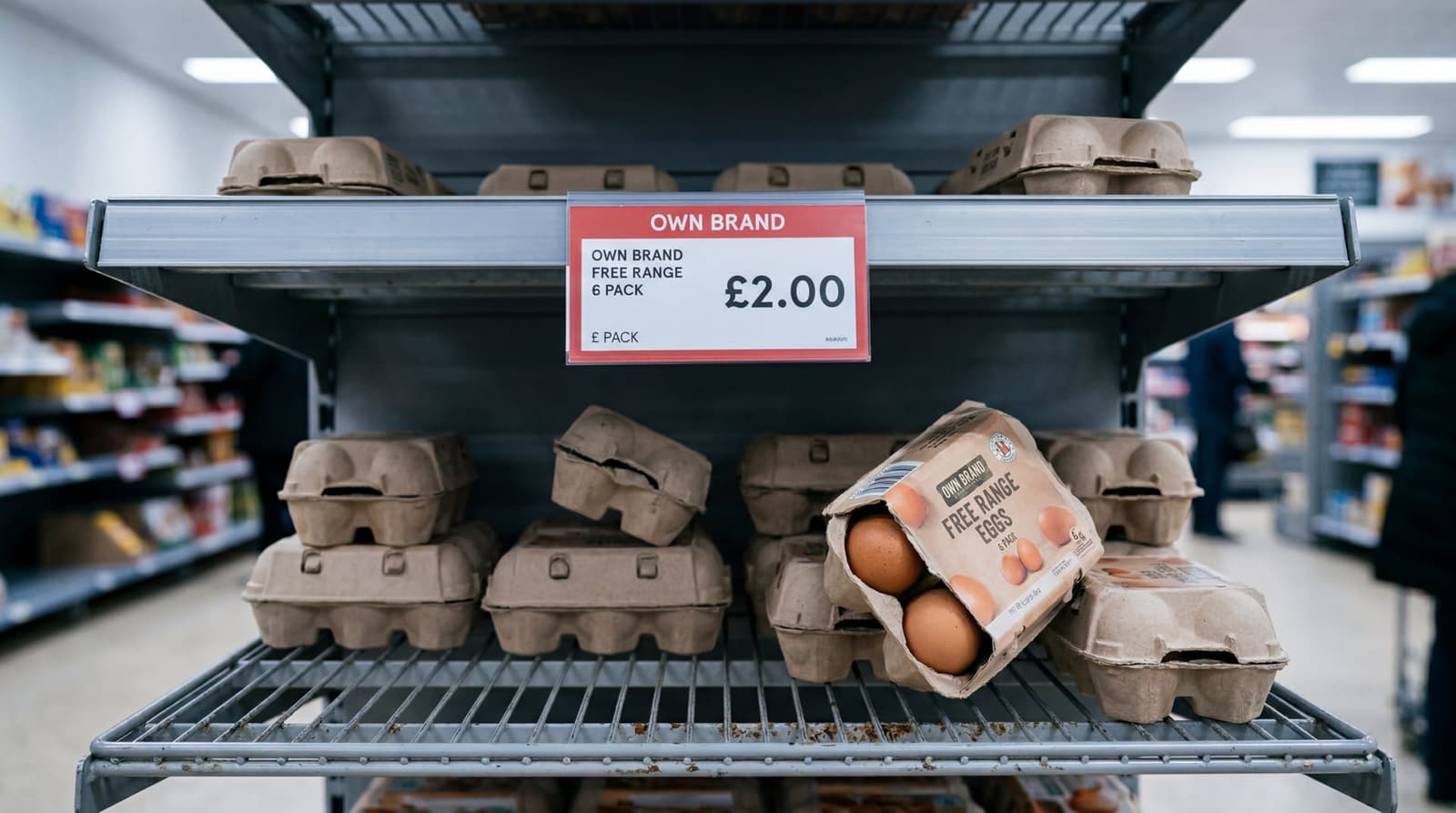
Six eggs used to cost £1. Here's why they're now £2.
UK egg prices have doubled in four years despite record production. The real story isn't greedflation, it's how prices move down much slower than they move up.
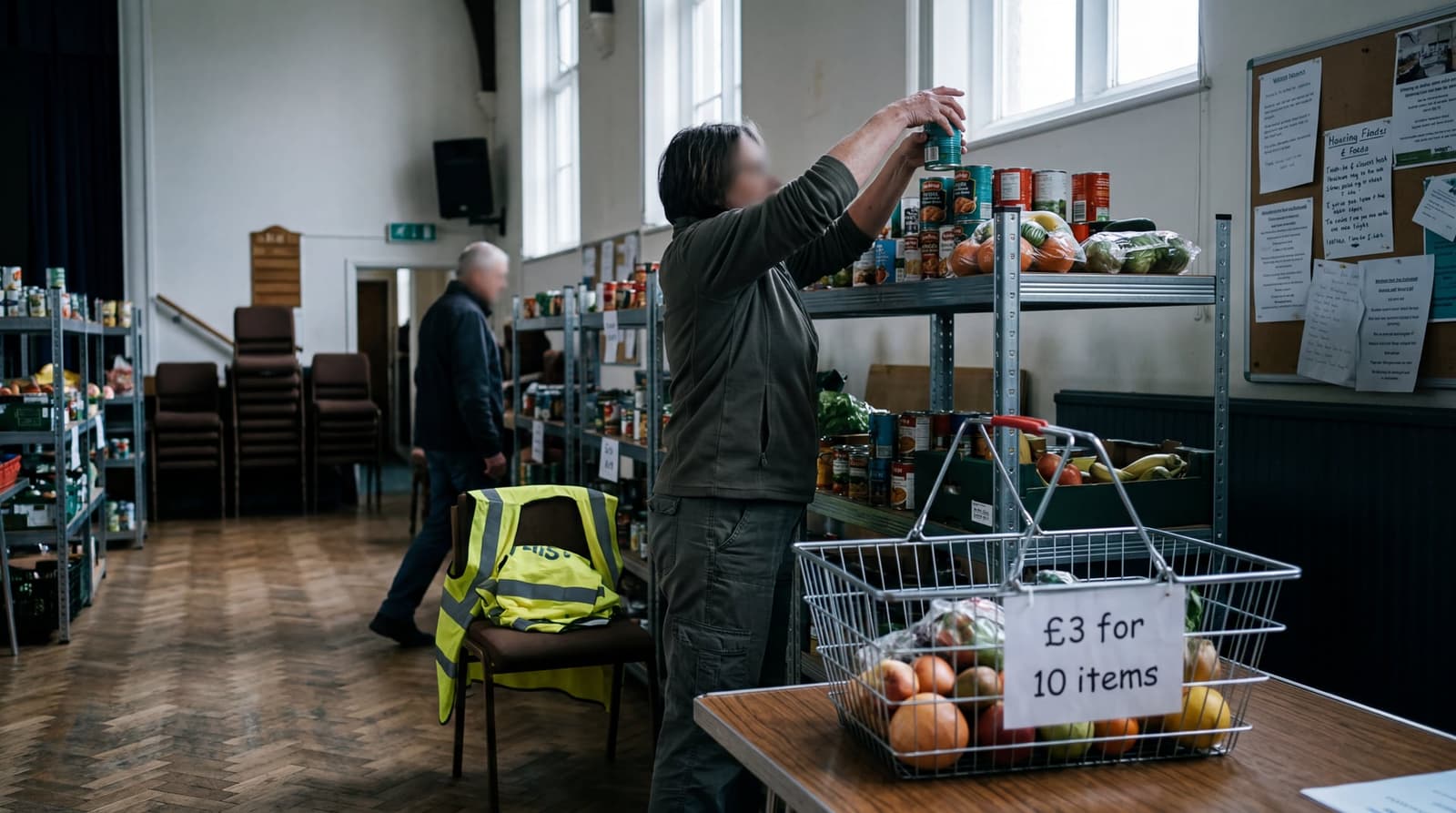
In Cambridge, a paycheck no longer keeps workers out of the food bank
The UK's most unequal city is now feeding employed residents through subsidised food clubs, raising questions about whether wages or housing will ever catch up.
UK spends £25 on youth benefits for every £1 on jobs help, Milburn finds
The former Labour health secretary's interim NEET review lands on a government still bruised by last summer's welfare rebellion, and questions whether spending more on job schemes can fix a crisis now driven by mental…

Why your ice cream costs $6.49: a coconut, cocoa and corporate crisis
A record-hot summer pushed American ice cream prices to all-time highs. The deeper story runs through Philippine biodiesel mandates, West African droughts, and the breakup of the world's biggest ice cream company.
Keep Reading
Juliann Bluitt Foster, Trailblazer in Dentistry, Is Dead at 80

Northern Ireland's rarest rainforest gets a 100-year reboot in Tyrone
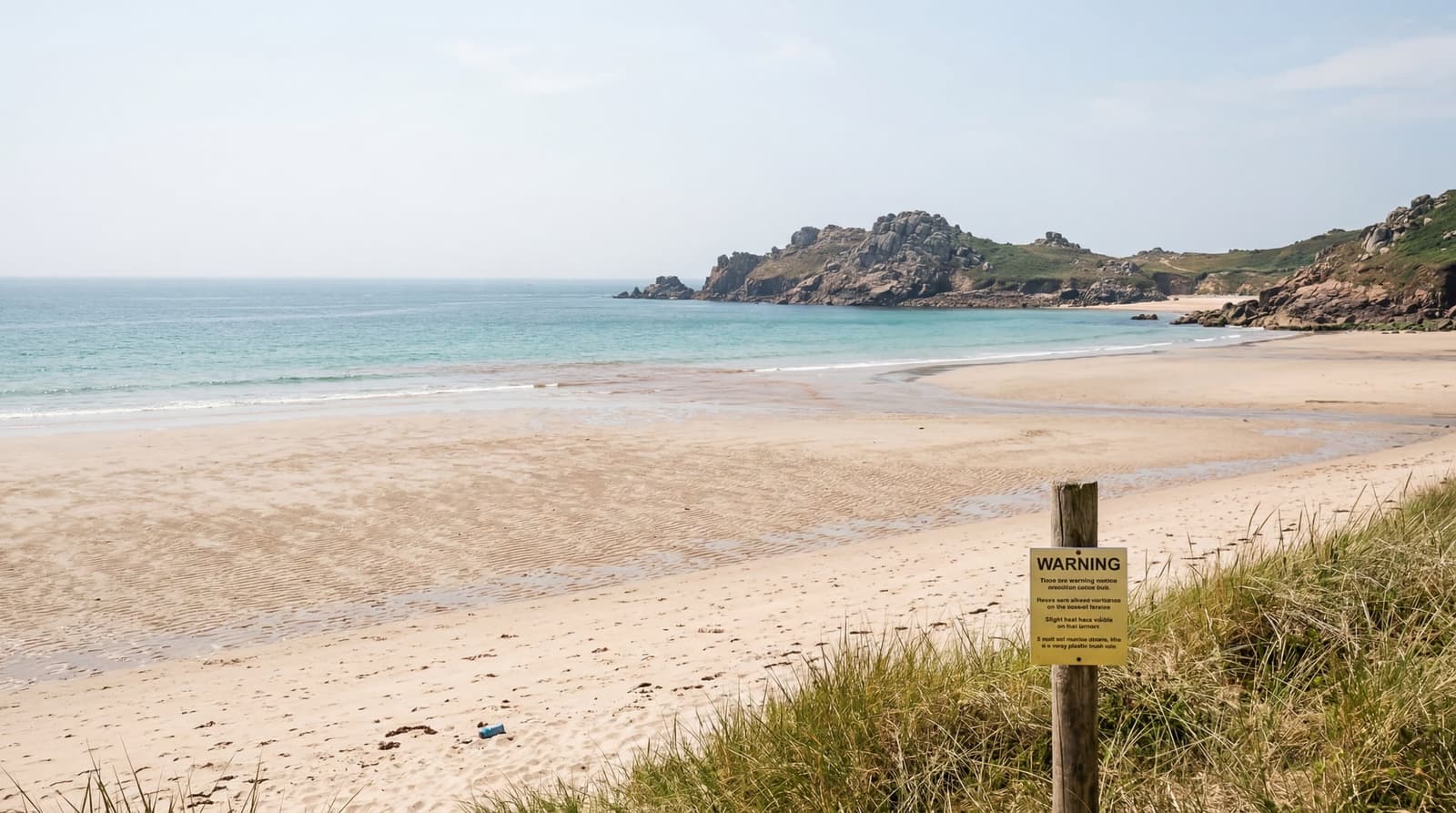
Four Jersey beaches flunk bacteria tests as island bakes in record May heat

Bionic arms for five-year-olds, a third thumb, and the 90% who get nothing

Trump tells new Fed chair Warsh to be 'totally independent' after year-long Powell feud